
Study points to evidence of stray dogs as possible origin of SARS-CoV-2 pandemic
A University of Ottawa study presents a scenario in which the coronavirus first spread from bats to stray dogs eating bat meat.

A University of Ottawa study presents a scenario in which the coronavirus first spread from bats to stray dogs eating bat meat.
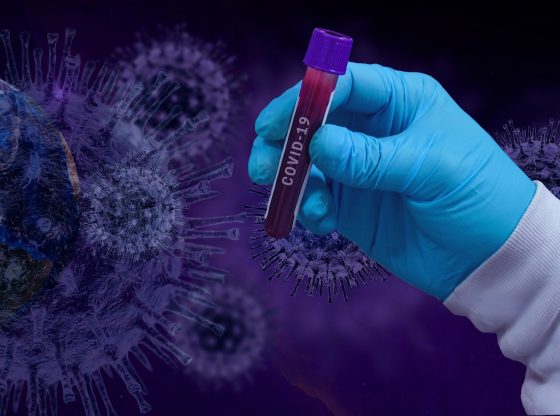
Researchers at the Assistance Publique-Hôpitaux de Paris (AP-HP) published preliminary results from a COVID-19-study of tocilizumab. The patients that received the drug were significantly less likely to die or require mechanical ventilation.
In a new study in Frontiers in Microbiology, experts from the University of North Carolina at Chapel Hill review possible strategies against dangerous coronaviruses. They propose that the most promising approaches for fast progress are selected antivirals such as remdesivir, and gene therapy.
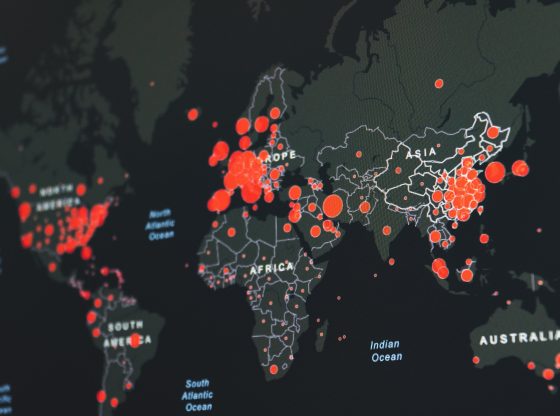
The World Health Organization (WHO) said on Saturday that there was currently “no evidence” that people who have recovered from COVID-19 and have antibodies are protected from a second coronavirus infection.

Known as wastewater-based epidemiology (WBE), the method mines sewage samples for vital clues about human health. It can potentially identify levels of coronavirus infection at both a local and global scale.

New York Governor Andrew Cuomo reported preliminary results from a serological study showing that nearly 14% of New York residents may have been previously infected with SARS-CoV-2.
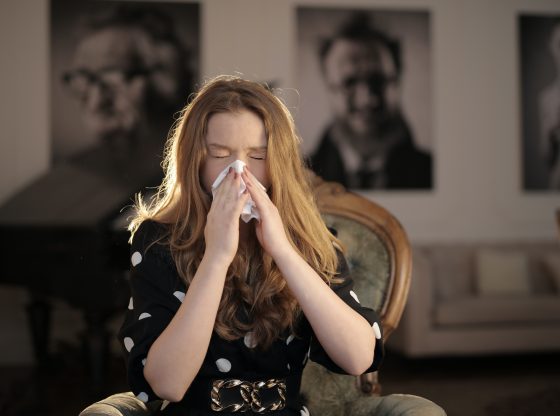
Two specific cell types in the nose have been identified as likely initial infection points for COVID-19 coronavirus. The identification of these cells help explain the high transmission rate.

A team of researchers from Empa, ETH Zurich and Zurich University Hospital has succeeded in developing a novel sensor for detecting the coronavirus. In future it could be used to measure the concentration of the virus in the environment – for example in places where there are many people or in hospital ventilation systems.
Researchers at MIT and Harvard have identified specific types of cells in the lungs, nasal passages, and intestines that appear to be targets of the coronavirus that is causing the Covid-19 pandemic.

In an interview with BBC Radio 4, Professor Carl Heneghan, director of the centre for evidence-based medicine at Oxford University, said: “In fact, the damaging effect now of lockdown is going to outweigh the damaging effect of coronavirus.”