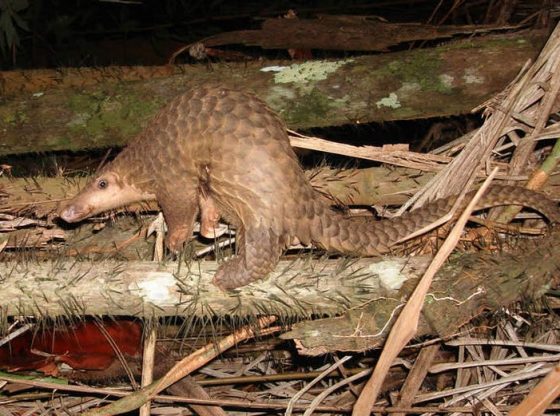
Study shows pangolins may have passed new coronavirus from bats to humans
Pangolins, not snakes, may be the missing link for transmission of the new coronavirus from bats to humans.

Pangolins, not snakes, may be the missing link for transmission of the new coronavirus from bats to humans.

More than 1.97 million people have been reported to be infected by the novel coronavirus globally and 128,445 have died, according to Reuters.
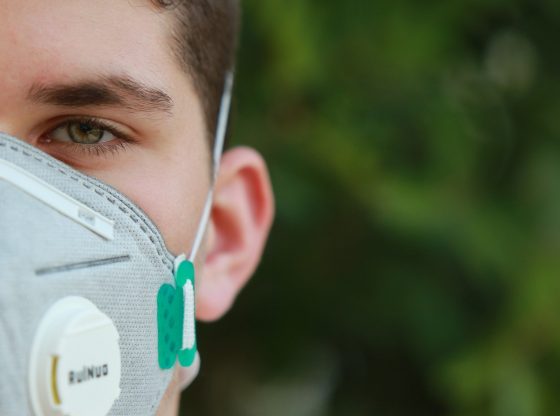
A hospital in Connecticut has successfully employed a new 3D-printed device that makes it possible to modify one ventilator for use in two critically ill patients with COVID-19 who have different respiratory needs, as the coronavirus outbreak puts a crunch on medical resources.

Four of the world’s largest consumer brands are contributing to planet-heating emissions by using throwaway plastic to package everything from soft drinks and snacks to shampoo, said a report published.
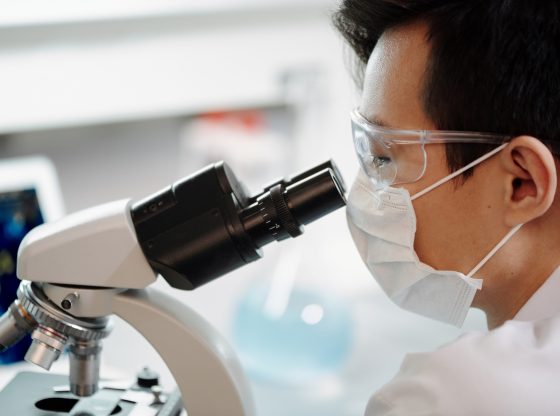
A recent Harvard-study suggest that, depending on what tracing technology is used in conjunction with testing, at least millions and possibly hundreds of millions of tests per day will be needed to ride out the pandemic.
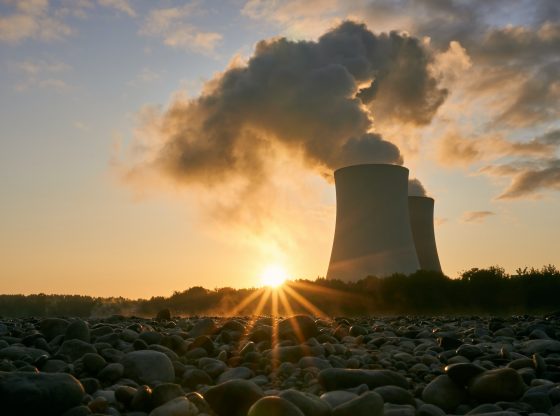
Faced with power shortfalls, demands for greener energy and drought threats to hydropower, a growing range of African nations are considering a shift to an unexpected power source – nuclear energy.
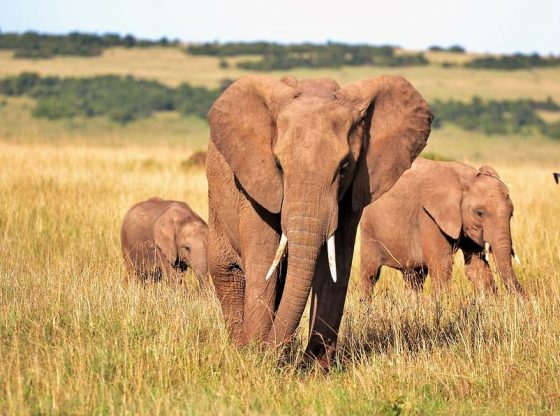
Climate change could trigger sudden, potentially catastrophic losses of wildlife in regions around the world over the coming decades, and the first waves could already be unfolding, according to a study.

Coronavirus lockdowns are pushing more city dwellers to grow fruit and vegetables in their homes, providing a potentially lasting boost to urban farming, architects and food experts said.
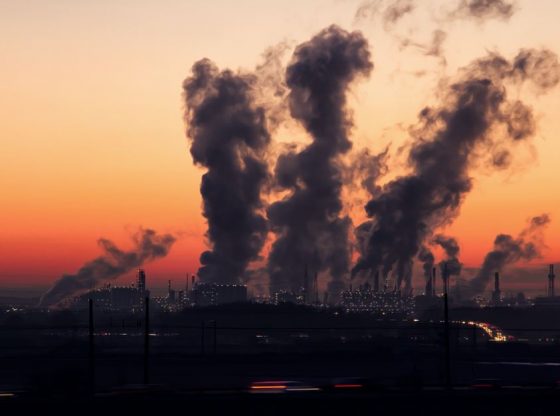
China and other countries could be planning to build more coal plants to stimulate their economies in the wake of the novel coronavirus pandemic but nearly half of global coal plants will run at a loss this year, research showed.

Countries with large populations and low levels of development are most likely to see a rise in the risk of armed conflict after extreme weather events, according to a new study that researchers said underscored the need to boost their resilience.