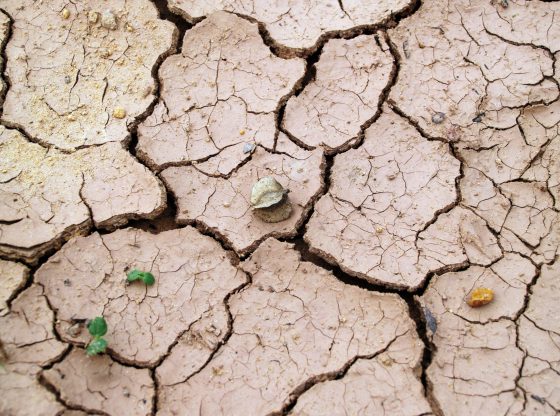
European summer droughts since 2015 exceed anything in the past two millennia
Recent summer droughts in Europe are far more severe than anything in the past 2,100 years, according to a new study.

Recent summer droughts in Europe are far more severe than anything in the past 2,100 years, according to a new study.

New research suggests that more than 100 chemicals found in plastic toy materials may pose possible health risks to children.

Global targets to improve the welfare of people across the planet will have mixed impacts on the world’s forests, according to new research.

Electronic textiles offer revolutionary new opportunities in various fields, in particular healthcare. But to be sustainable, they need to be made of renewable materials.

Munich is home to the world’s first fully automated sensor network for measuring urban greenhouse gas emissions based on ground-based remote sensing of the atmosphere.

Analyses show that traffic restrictions during the first lockdown last March led to a sharp drop in air pollutant emissions, significantly more than for carbon dioxide. The study confirms the assumption that traffic is significantly underestimated as a source of nitrogen oxide pollution in cities.

A new study reveals evidence that early exposure to dirty air alters genes in a way that could lead to adult heart disease, among other ailments.

Every year, hundreds of millions of tons of carbon dioxide are emitted through maritime transport, causing serious harm to the climate. When used as fuel for ships with electric engines, ammonia is as eco-friendly as hydrogen, but easier and safer to handle.

If the consequential costs of the greenhouse gases emitted are determined and added to current food prices, animal products such as milk, cheese and especially meat would have to become far more expensive. The price difference between conventional and organic products would also be less.

An analysis of food, energy, water, and climate change in the Indus Basin shows how a cross-boundary and multi-sectoral perspective could lead to economic benefits and lower costs for all countries involved.