
GE Aerospace Breaks New Ground with High-Altitude Hybrid-Electric Flight
World’s first hybrid-electric flight above 30,000 feet sets new aviation record

World’s first hybrid-electric flight above 30,000 feet sets new aviation record

In the West Bank, Palestinian banks are overflowing with Israeli shekels, causing major disruptions for daily business and resident, the AP reports.
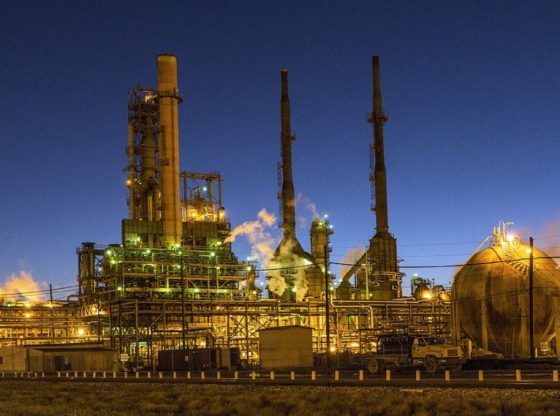
According to reporting from The Guardian, escalating geopolitical tensions and a surge in oil prices are destabilizing global markets and causing widespread economic anxiety. Recent conflicts have heightened consumer hesitancy and uncertainty regarding fuel supplies in the EU.

At their receent Meeting of SADC Ministers Responsible for Energy and Water, leaders underscored the urgency of securing reliable, affordable, and sustainable energy to underpin economic growth and improve livelihoods.

As per the Global Unicorn Index 2026 by Hurun Research Institute, China counted 381 unicorn enterprises as of the beginning of 2026, marking an increase of 38 from the prior year. The research positions the United States as the leader with 50.3% of the world’s unicorns.

Qingdao Summit Highlights China’s Development Priorities and Opportunities for Multinational Companies

The scientists who re-engineered the plastic-eating enzyme PETase have now created an enzyme ‘cocktail’ which can digest plastic up to six times faster.

If global warming continues unchecked, summer monsoon rainfall in India will become stronger and more erratic. A study predicts more extremely wet years in the future – with potentially grave consequences for more than one billion people’s well-being, economy, food systems and agriculture.

Flooding has caused hundreds of billions of dollars in damage in the U.S. over the past three decades. Researchers found that 36 percent of the costs of flooding in the U.S. from 1988 to 2017 were a result of intensifying precipitation, consistent with predictions of global warming.

New research reveals that deforestation in the U.S. does not always cause planetary warming, as is commonly assumed. Instead, in some places, it actually cools the planet.