
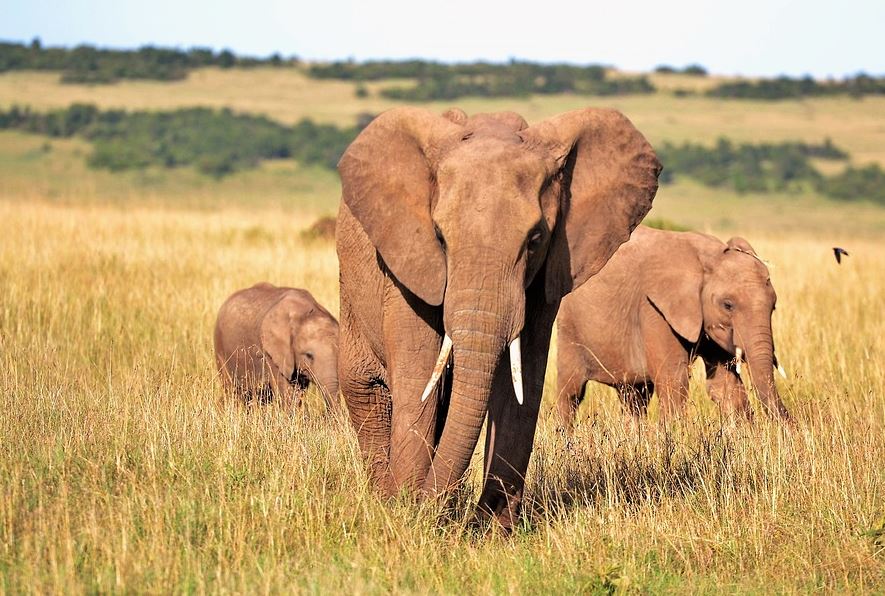
GENEVA, August 19, (WNM) - At the UN Conference on the Protection of Species in Geneva, a majority of delegates spoke out in favour of a far-reaching ban on the trade in elephants. Wild African elephants will no longer be allowed to be sold to zoos. Environmentalists spoke of a "historic win".
But before the ban can come into force, it must be adopted by the plenum of the 180 signatory states of the Washington Convention on International Trade in Endangered Species of Wild Fauna and Flora (Cites) next week.
With the required two-thirds majority, the delegates voted to limit the sale of wild African elephants for conservation purposes. If the plenary adopts the decision at the final session on 28 August, elephants captured in the wild will only be allowed to be sold to conservation centres where they live in their "natural environment".
The current practice of capturing endangered African elephants in the wild and selling them to zoos or amusement parks is likely to end with the decision.
"This decision will protect countless elephants from being snatched from their families in the wild and from spending the rest of their lives in poorly equipped zoos," said wildlife expert Iris Ho of the Humane Society International (HSI) in Washington.
Cassandra Koenen, head of the World Animal Protection's Wildlife Unit, described the Cites preliminary decision as a "giant step in the right direction". The conference had thus clearly confirmed that "elephants do not belong in the entertainment industry".
A trade ban on elephants is already in place in large parts of Africa. In southern Africa, however, the trade in animals threatened with extinction is still legal. According to HSI, Zimbabwe alone has sold a hundred baby elephants to Chinese zoos since 2012.
The delegates of the 180 Cites contracting states have been dealing with the longest agenda in their history since Saturday. The agenda includes 56 proposals for the protection of rhinos, giraffes, jaguars and sharks.
The Washington Convention on International Trade in Endangered Species of Wild Fauna and Flora was signed in 1973 and regulates international trade in wild animals and plants. At the regular Conferences of the Parties, the lists of species subject to trade restrictions are adapted.