
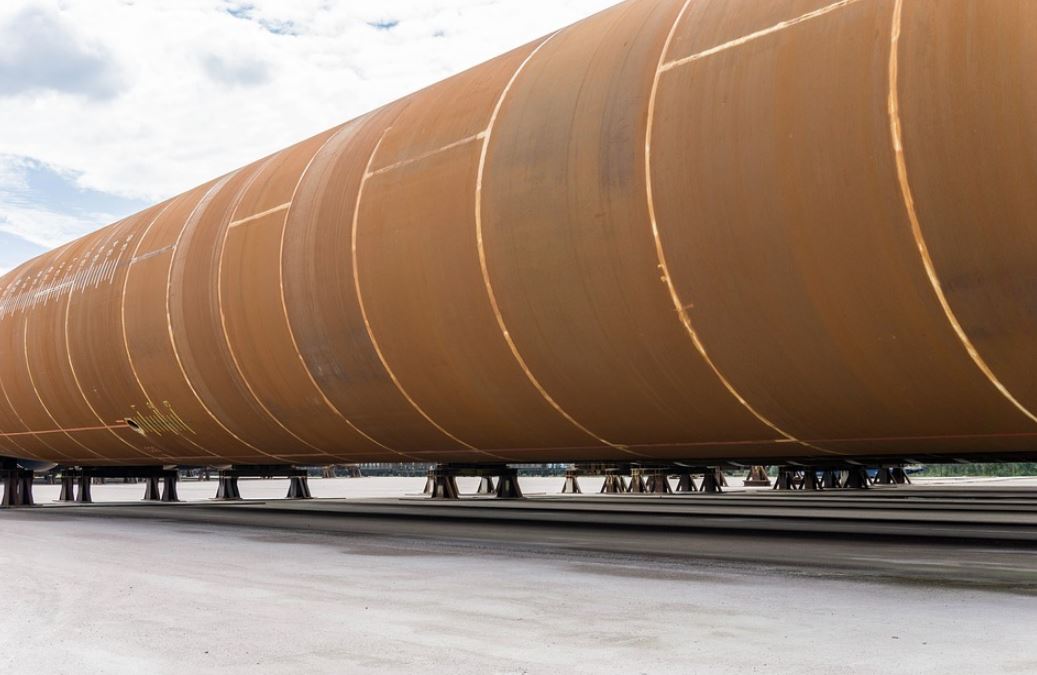
MOSCOW, December 18 (WNM/Reuters) - The substance that brought one of Russia's longest oil pipelines to a halt in April was carbon tetrachloride, a lethal chemical meant to be tightly controlled by an international agreement, according to the results of three separate, undisclosed tests seen by Reuters.
A summary of the results of a test carried out for Russia's Ministry of Energy and for Transneft, the operator of the pipeline, by a Moscow-based state chemical laboratory seen by Reuters in May, which has not previously been reported, shows that the contaminant was 85 percent carbon tetrachloride. Carbon tetrachloride was widely used in the past to make refrigerants, fire-extinguishing materials and cleaning agents.
The presence of carbon tetrachloride suggests Russia has not stamped out illegal trade in the chemical, five oil industry sources said. Carbon tetrachloride is supposed to be strictly regulated by Russian law, these sources said.
Russia's energy ministry has blamed the stoppage in the Druzhba pipeline on a legally traded solvent called ethylene dichloride, an organic chloride compound used to clean oil wells, which can corrode equipment if it enters a refinery, according to industry experts.
Russia's Ministry of Energy and Transneft did not reply to Reuters requests for comment.
Two separate tests performed by two different companies, a European Union refiner and an international oil trading firm - which both told Reuters they unwittingly bought tainted crude from the pipeline - yielded almost identical results to the tests conducted by the Moscow state laboratory, two sources familiar with the findings told Reuters.
The sources asked not to be named as they are not authorised to speak to the media.
Transneft said in June that 200 to 300 tonnes of an unnamed contaminant had entered the pipeline, but has not since made public any further details on the matter.
Russia, the world’s second-biggest oil exporter, lost more than $1 billion in revenue due to the more than month-long stoppage of the pipeline, which carries about 1% of the global supply of crude oil from Russia to refineries in eastern and central Europe. The pipeline fully restarted normal operations on July 1.
Russian authorities are still investigating the contamination, which affected about 5 million tonnes of oil in the pipeline stretching from Russia to Germany, Poland, Hungary, Slovakia and the Czech Republic via Belarus and Ukraine.
Four people are in custody, suspected by Russian investigators of introducing contaminated oil into the pipeline at an intake station in the Samara region of Russia, while two other suspects have fled the country, law enforcement sources have told Russian news agencies. Two of those held in custody have admitted some wrongdoing, according to their lawyers.