
Global ice loss increases at record rate
The rate at which ice is disappearing across the planet is speeding up, according to new research. And the findings also reveal that the Earth lost 28 trillion tons of ice between 1994 and 2017.

The rate at which ice is disappearing across the planet is speeding up, according to new research. And the findings also reveal that the Earth lost 28 trillion tons of ice between 1994 and 2017.
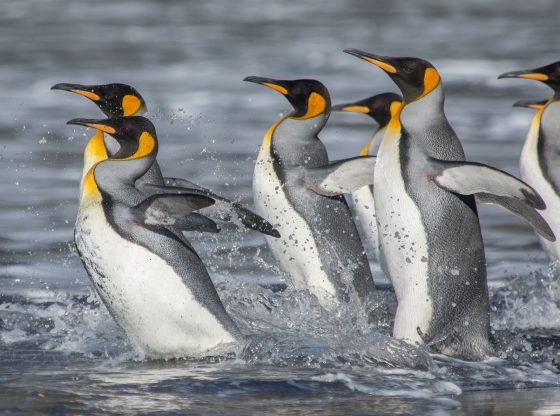
In the future, the Antarctic could become a greener place and be colonised by new species. At the same time, some species will likely disappear.
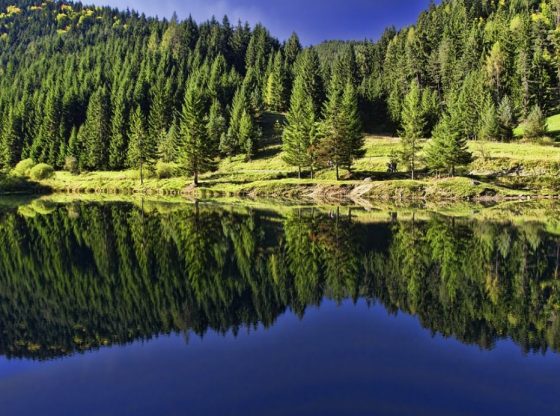
According to analysis, global warming accelerates the loss of biodiversity. Vice versa, measures to protect biodiversity may also mitigate the impacts of climate change.

Due to rising temperatures and longer dry periods, two plant species have already gone extinct over the last 40 years. The populations of many others have decreased by one third, researchers write.

Experts estimate that it could reduce the increase of the greenhouse gas carbon dioxide in the atmosphere by a third. At the same time, agricultural yields in many regions would also increase significantly.

Trees planted in urban spaces provide a multitude of ecosystem and social services. The contributions to people provided by trees outweigh their disadvantages, regardless of whether they are of native or non-native origin.
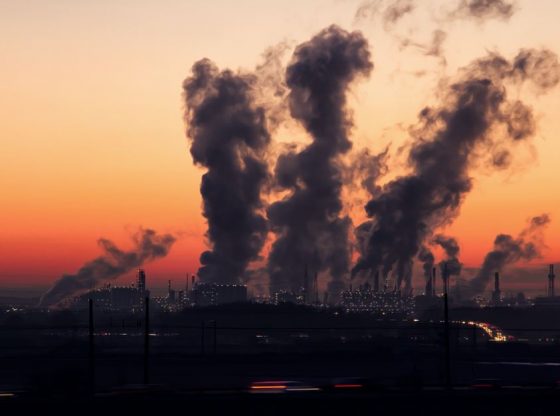
Global stimulus plans for economic recovery after the pandemic could easily cover climate-friendly policies, suggests new study.
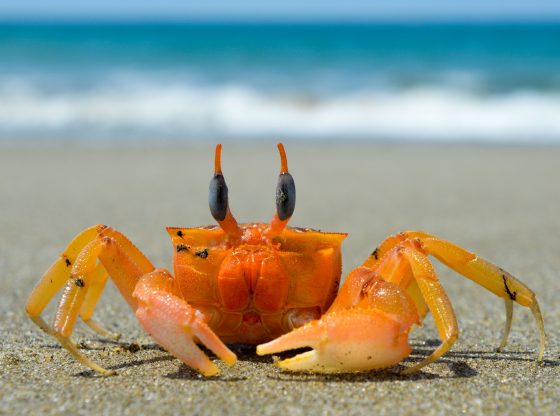
Invasive species are often characterised by a high tolerance for fluctuations in environmental factors like temperature and salinity, thus being more adapted to the effects of climate change in the oceans.
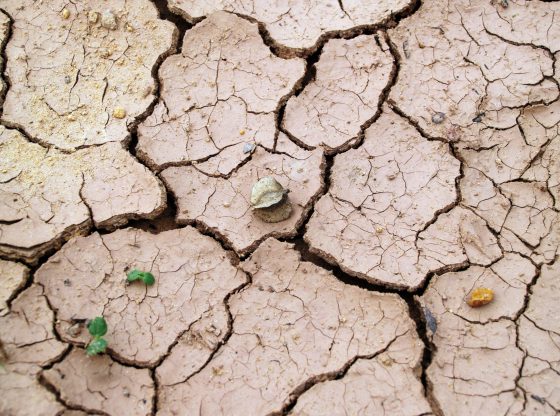
The world can expect more rainfall as the climate changes, but it can also expect more water to evaporate, complicating efforts to manage reservoirs and irrigate crops in a growing world.
Limiting global warming to below 2 degrees strikes an economically optimal balance between future climate damages and today’s climate mitigation costs. This would require a price of CO2 of more than 100 US Dollar per ton.