
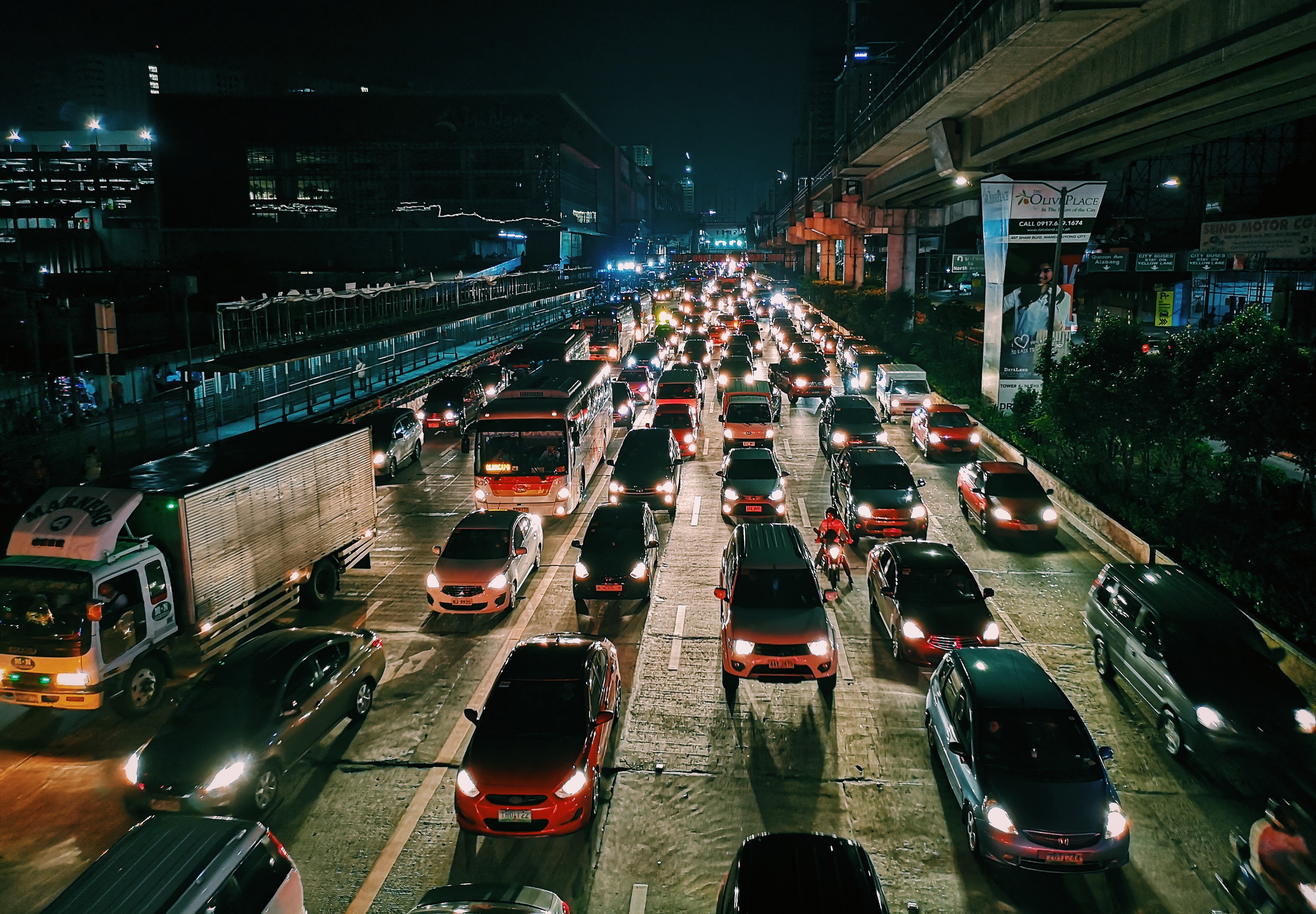
BRUSSELS, November 20 (WNM) - Data compiled by Euromonitor for Transport & Environment (https://www.transportenvironment.org/press/uber-adds-pollution-and-traffic-european-cities-too) shows a surge in the number of Uber drivers (officially registered as private hire vehicles - PHV) in the past few years. In France, which liberalised the taxi market in 2015, the number of reported PHV drivers doubled in three years (from more than 15,000 in 2016 to 30,000 in 2019). The number of Uber drivers in London almost doubled in three years (from 25,000 in 2016 to 45,000 in 2018), accounting for roughly half the total PHV licence number.
This has made Uber one of the biggest taxi services in Europe, with 3.6 million users in London in 2019 and with 2.7 million users in France in 2017. According to company documents issued for its stock market launch, Uber is looking to massively increase its operations worldwide and is eyeing Europe in particular, identifying Germany, Spain and Italy as priority markets for expansion.
But whilst the number of taxi licenses was historically capped through licenses , Uber has seen rapid growth. Since Uber’s arrival in London, its biggest European market, taxi and PHV trips have increased by roughly 25% in the capital. This data strongly correlates with a 23% increase in overall CO2 emissions for the taxi and PHV sector in the UK in the same period.
The analysis estimates that in London and Paris alone, the emissions of Uber taxi services could be as high as half a megatonne of CO2 - 515 kilotonnes of CO2. This is equivalent to adding the CO2 emissions of an extra 250,000 privately owned cars to the road.
These kilometers have predominantly been driven by petrol and diesel cars, exacerbating the air pollution crisis in European cities. Worryingly, French government data from 2017 show that 90% of the registered private hire vehicles, which includes Uber, were diesel cars. The high share of diesels in the PHV fleet can be also found in the traditional taxi market. It’s thought that other European cities where Uber operates have similar levels of diesels in their fleet.
Diesel engines are the main source of nitrogen dioxide emissions (NO2). According to the European Environment Agency, exposure to NO2 caused the premature deaths of an estimated 79,000 people across 41 European countries in 2015.
Transport is Europe’s biggest climate problem, representing more than a quarter (27%) of the bloc’s total greenhouse gas emissions. Cars emit 44% of transport emissions and are still rising. If the EU is to achieve the Paris Agreement goals of limiting global temperature rise to 1.5ºC, car emissions must be zero by 2050 at the latest, meaning the last diesel or petrol car should be sold ideally by 2030, and by 2035 at the latest.