
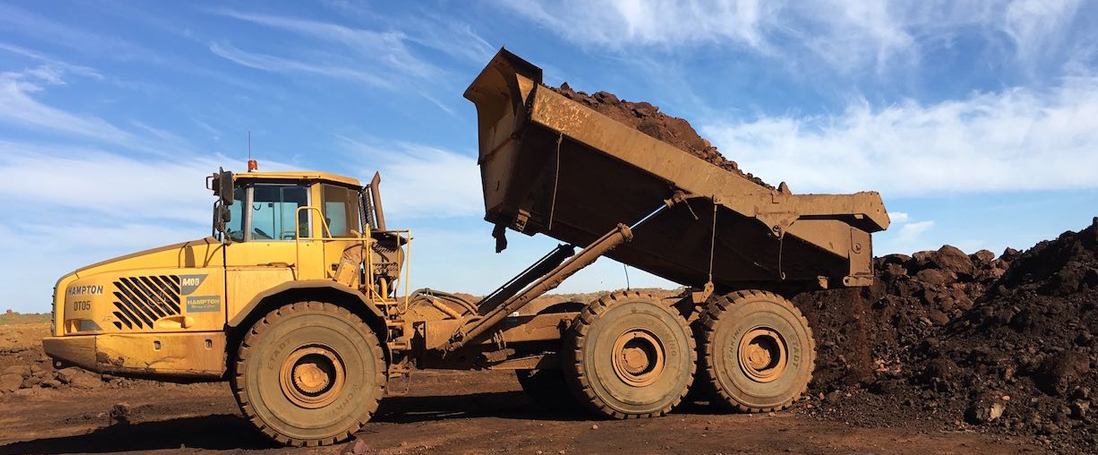
MOUNT WELD, Australia/TOKYO, December 24 (WNM/Reuters) - The U.S.-China trade war has been lucrative for Lynas Corp, Mount Weld's Australian owner. The mine boasts one of the world's richest deposits of rare earths, crucial components of everything from iPhones to weapons systems.
Hints this year by China that it could cut off rare earths exports to the United States as a trade war raged between the two countries sparked a U.S. scramble for new supplies – and sent Lynas shares soaring.
As the only non-Chinese company thriving in the rare earths sector, Lynas shares have gained 53% this year. The shares jumped 19 percent last week on news that the company may submit a tender for a U.S. plan to build rare earths processing facilities in the United States.
Rare earths are crucial for producing electric vehicles, and are found in the magnets that run motors for wind turbines, as well as in computers and other consumer products. Some are essential in military equipment such as jet engines, missile guidance systems, satellites and lasers.
Lynas' rare earths bonanza this year has been driven by U.S. fears over Chinese control over the sector. But the foundations for that boom were established almost a decade ago, when another country - Japan - experienced its own rare-earths shock.
At Mount Weld, ore is concentrated into a rare earth oxide that is sent to Malaysia for separating into various rare earths. The remainder then goes to China, for further processing.
Mount Weld's deposits have "underpinned the company's ability to raise both equity and debt funding," Amanda Lacaze, the company's chief executive, said in an email to Reuters. "Lynas' business model is to add value to the Mount Weld resource at its processing plant in Malaysia."
Andrew White, an analyst at Curran & Co in Sydney, cited "the strategic nature of Lynas being the only producer of rare earths outside of China" with refining capacity for his 'buy' rating on the company. "It's the refining capacity that makes the big difference."
Lynas in May signed an agreement with privately held Blue Line Corp in Texas to develop a processing plant which would extract rare earths from material sent from Malaysia. Blue Line and Lynas executives declined to give details about cost and capacity.
Lynas said it would submit a tender in response to a U.S. Department of Defense call for proposals to build a processing plant in the United States. Winning the bid would give Lynas a boost to develop the existing plant at the Texas site into a separating facility for heavy rare earths.
James Stewart, a resources analyst with Ausbil Investment Management Ltd in Sydney, said he anticipated that the Texas processing plant could add 10-15 percent to earnings annually.
Lynas was in pole position for the tender, he said, given that it could easily send material processed in Malaysia to the United States, and convert the Texas plant relatively cheaply, something that other companies would struggle to replicate.