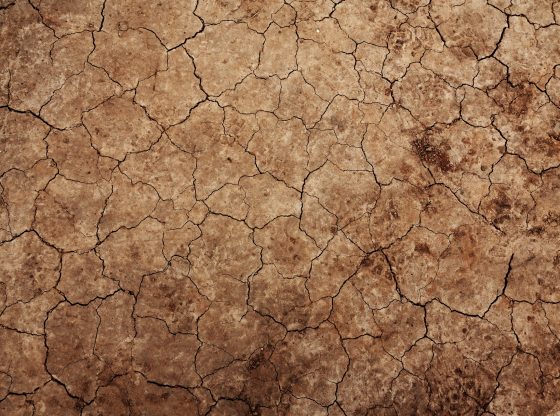
Climate change and land use are accelerating soil erosion by water
Soil erosion results in a loss of fertile soil, reduces agricultural productivity and therefore threatens the food supply for the world’s population.

Soil erosion results in a loss of fertile soil, reduces agricultural productivity and therefore threatens the food supply for the world’s population.

Genomic analysis reveals that many animal species are potentially susceptible to infection by the coronavirus. They include a number of endangered and threatened species, notably apes and old world primates.
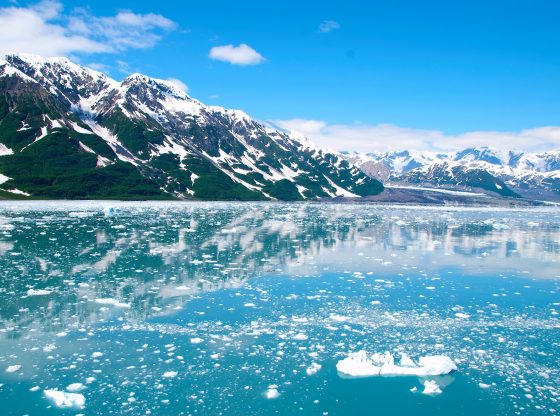
After two years characterised by low loss of mass in 2017 and 2018, the ice sheet is now heading toward increasing mass losses. The five years with the greatest losses all occurred in the last decade.
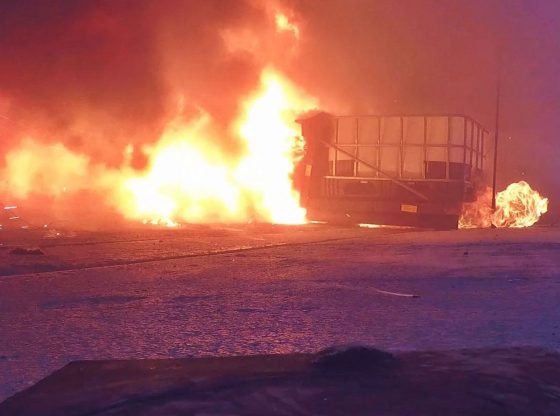
In the three tests, the highly corrosive, toxic hydrofluoric acid in burning batteries remained below critical levels. A tunnel ventilation system can cope not only with burning conventional cars, but also with electric cars. Increased corrosion damage is also unlikely.
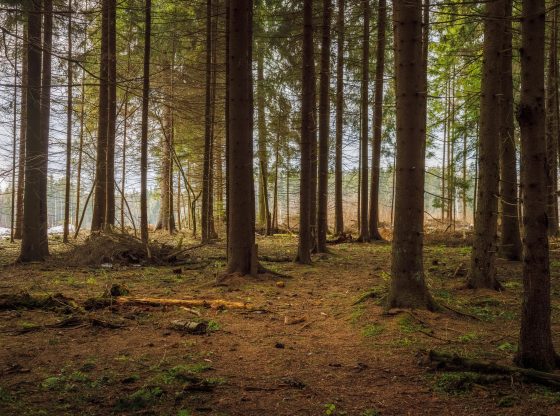
Disruptions such as forest fires, insect damage, windthrow events and droughts will increase in frequency and severity because of climate change.
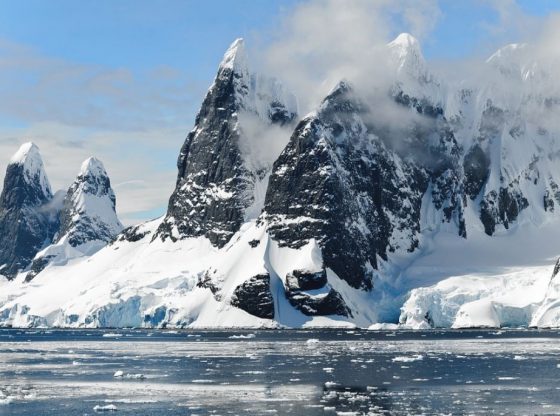
A new study, published in the journal Nature Climate Change, supports predictions that the Arctic could be free of sea ice by 2035. The impact of intense springtime sunshine creates many melt ponds, which plays a crucial role in sea-ice melt.

One way to cut back on deforestation in the Amazon rainforest – and help in the global fight against climate change – is to grant more of Brazil’s indigenous communities full property rights to tribal lands.

Living near active oil and gas wells may put pregnant people at higher risk of having low birth weight babies, especially in rural areas, finds a new study of birth outcomes in California.

Wind and solar power require more land than coal, oil and gas. Offshore wind power, large solar parks, and roof-top solar systems can significantly limit land use.

For the water levels in the German rivers Rhine and Elbe, the sea surface temperature in the North Atlantic is the crucial factor. It has a significant influence on the weather in Central Europe.