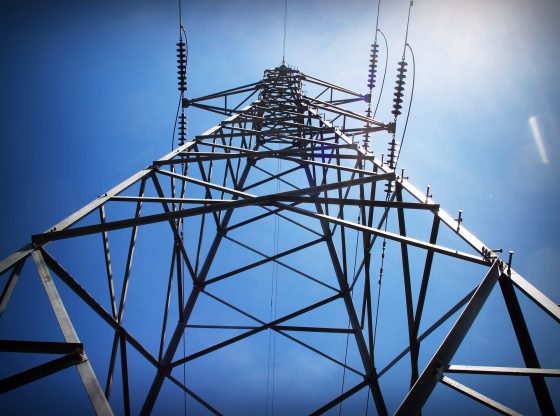
UBS: Energy storage critical catalyst for shift towards renewables
By 2025, UBS expects energy storage cost to be under a third of what it is now, fuelling demand for renewables, batteries, and related materials and chemicals.

By 2025, UBS expects energy storage cost to be under a third of what it is now, fuelling demand for renewables, batteries, and related materials and chemicals.

Ford Motor Company and McDonald’s USA will convert dried skin of coffee beans into a durable material to reinforce certain vehicle parts such as headlamp housing.

The World Bank adopted a plan to aid China with $1 billion to $1.5 billion in low-interest loans annually through June 2025. The new five-year plan calls for lending to “gradually decline” from the previous five-year average of $1.8 billion.
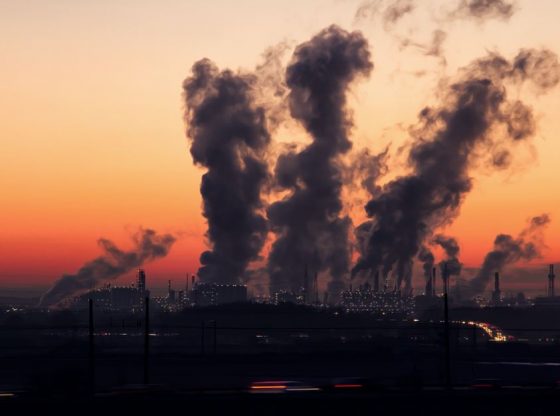
The number of insurers withdrawing cover for coal has more than doubled in 2019 as the industry’s retreat from the sector accelerates. Swiss Re and Zurich have withdrawn cover from both new and existing projects, as well as the companies operating in these sectors.
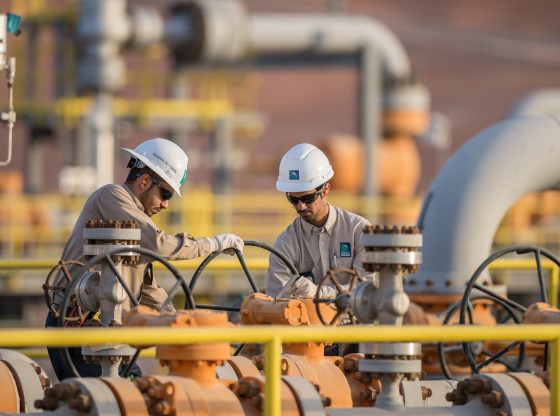
Saudi Aramco is looking to buy insurance against war and terror attacks after a damaging drone and missile attack on some of its oil facilities in September.

Moscow and Beijing continue cultivating partnership to “step up cooperation in order to jointly counter external threats and foreign meddling”, TASS reported.
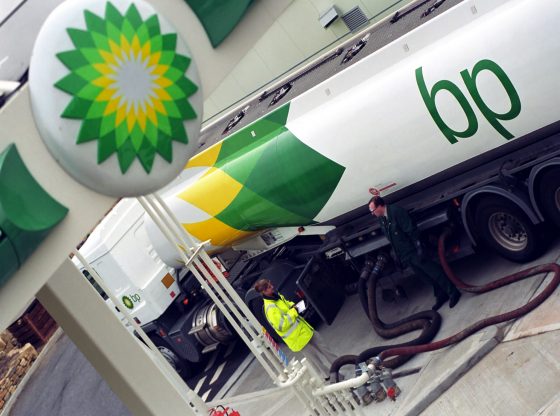
Environmental lawyers from ClientEarth have filed a high-level complaint against BP claiming that it is misleading consumers about its focus on low carbon energy and solutions to climate change in its advertising campaign. While BP’s advertising focuses on clean energy, more than 96% of the company’s annual capital expenditure is on oil and gas, ClientEarth states.

NATO is expanding its gaze toward the increasingly muscular challenge posed by China. In a sign of the NATO push, the allies will approve at the summit a new strategy to monitor China’s growing military activity.
A surprise drop in coal use in the United States and Europe has helped to slow the growth of global carbon dioxide emissions to 0.6% in 2019 compared with 2.1% the previous year, according to a study.

Almost 37% of global land plant species are categorized as very rare, and these species are most at risk for extinction as the climate continues to change, according to new University of Arizona-led research.