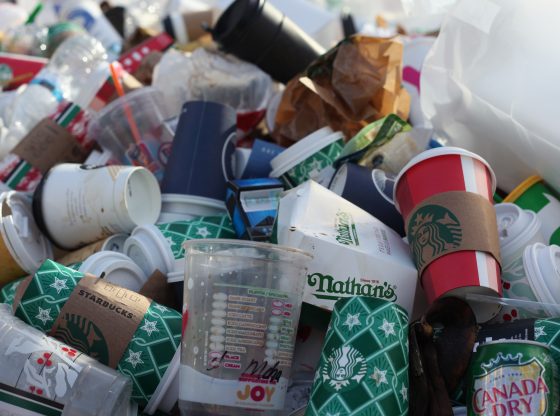
Shell uses plastic waste to produce chemicals
Shell has successfully made high-end chemicals using a liquid feedstock made from plastic waste. The technique, known as pyrolysis, is considered a breakthrough for hard-to-recycle plastics.

Shell has successfully made high-end chemicals using a liquid feedstock made from plastic waste. The technique, known as pyrolysis, is considered a breakthrough for hard-to-recycle plastics.
Brewing company AB InBev pledged 100 percent of its power usage around the world will come from renewable sources and it will cut carbon emissions by 25 percent across its entire value chain by 2025, CEO Carlos Brito said.

A report shows that it is technically and economically feasible for China to simultaneously become a fully developed economy and reach net-zero carbon emissions by mid-century.

The analysis estimates that in London and Paris alone, the emissions of Uber taxi services could be as high as half a megatonne of CO2. This is equivalent to adding the CO2 emissions of an extra 250,000 privately owned cars to the road.

A former researcher at Bayer-owned Monsanto in the United States was arrested after being accused of stealing software Monsanto had developed to help farmers optimize their crops and of using the technology in a new job in China, Bloomberg reports.

A study links green areas to lower rates of premature death: “More green space is better for health, people actually live longer if there is more green space around,” one of the authors said.

High-tech solutions to make cities greener already exist – from local clean power grids to electric transport hubs and intelligent buildings – but deploying them fast enough to curb climate change is a challenge.
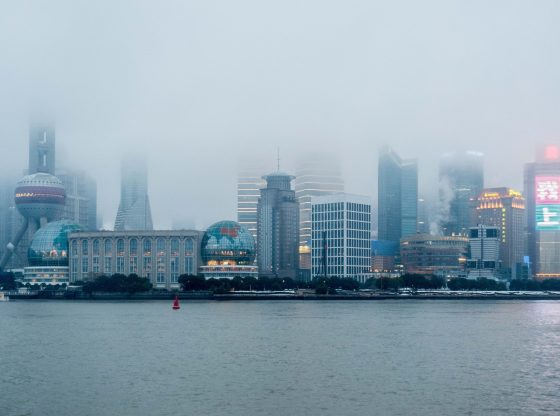
32 percent of ultrafine dust in South Korea can be attributed to China, reports South Korea’s Yonhap News Agency. However, the annual average concentrations of fine dust pollution have declined at the monitoring sites.
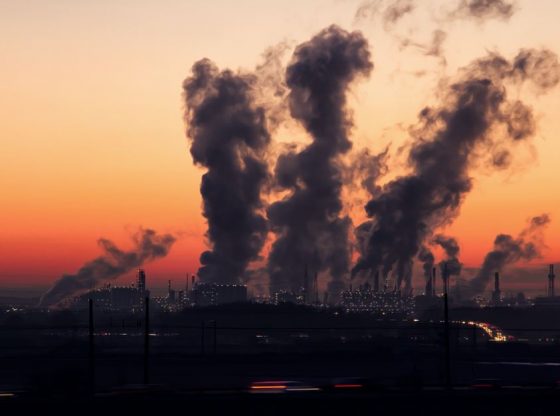
The world’s major fossil fuel polluters plan to produce fuels by 2030 at levels between 50-120% over Paris Agreement targets, a UN study showed.

The Scottish National Portrait Gallery has become the latest British arts organisation to end sponsorship projects with BP, labeling association with the multinational oil and gas company giant as being “at odds” with addressing the climate emergency. BP has expressed disappointment, criticizing an increasing polarization of debate.