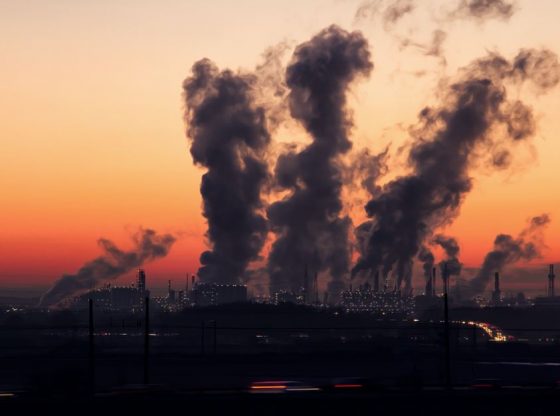
Carbon pricing can reduce social inequality – study

WNM | Nov 18, 2020 at 3:35 PM

There is a particularly high probability in developing and emerging countries that carbon pricing reduces social inequality, and thus may be more easily communicated politically. This also applies to carbon pricing in the transport sector in general.

Covid winter (Anna Shvets from Pexels)

Natural UV radiation in winter not strong enough against coronavirus

WNM | Nov 17, 2020 at 9:44 AM

In winter, daily solar irradiation is not sufficient to reach a level of sterilization of the SARS-CoV-2 virus that causes COVID-19. This enables the virus to survive long enough outdoors to stay infective for several hours or even over whole days.

Chicken (Xuân Tuấn Anh Đặng from Pixabay)

Chronic stress causes genetic changes in chickens

WNM | Nov 11, 2020 at 11:57 AM

Scientists have found that what are known as epigenetic biomarkers could be used to detect long-term exposure to stress in commercially raised chickens. This may lead to improved conditions in animal rearing.

Carbon pricing could prompt greener, smarter post-COVID recovery – IIASA

WNM | Nov 9, 2020 at 10:29 AM

Countries across the globe have been struggling to deal with the impact of COVID-19 and the accompanying economic slowdown. As economies “build back better”, it may be an opportune time to introduce carbon pricing to tackle climate change while generating socioeconomic benefits, according to new policy research.

Growing use of nitrogen fertilizers in food production poses an increasing climate threat

WNM | Nov 5, 2020 at 6:36 AM

Rising nitrous oxide emissions are jeopardizing the climate goals of the Paris Agreement, according to a major study. The growing use of nitrogen fertilizers in the production of food worldwide is increasing atmospheric concentrations of nitrous oxide – a greenhouse gas 300 times more potent than carbon dioxide that remains in the atmosphere for more than 100 years.