
Glaciers in the European Alps are dwindling
Models suggest a potential loss of most glacial areas by the end of this century. 17 percent of the entire volume of the ice has been lost since the start of the new millennium.

Models suggest a potential loss of most glacial areas by the end of this century. 17 percent of the entire volume of the ice has been lost since the start of the new millennium.

Trees planted in urban spaces provide a multitude of ecosystem and social services. The contributions to people provided by trees outweigh their disadvantages, regardless of whether they are of native or non-native origin.
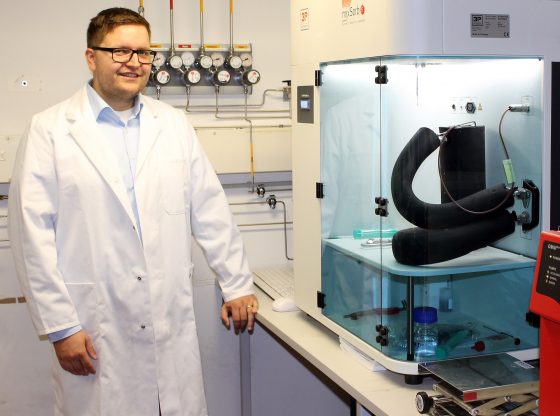
Chemists at the University of Bayreuth have developed a material with which the greenhouse gas carbon dioxide (CO₂) can be specifically separated from industrial waste gases, natural gas, or biogas, and thereby made available for recycling.

Clothing made of cotton is usually incinerated or it ends up in the landfill. Now it can be recycled several times to contribute to greater sustainability in fashion.
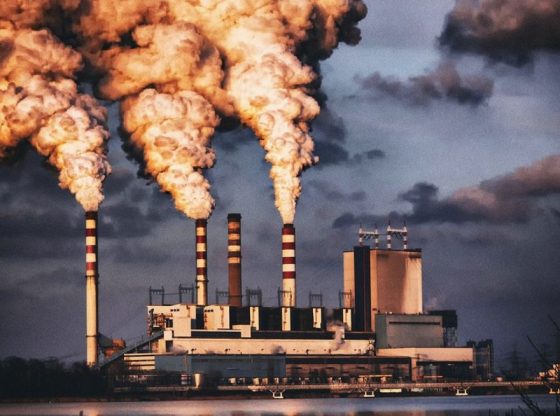
Climate and energy policies often fall short of delivering positive social outcomes, such as individual wellbeing, a fair distribution of wealth, and community cohesion. This is not in the nature of things, but can be avoided, as shown in an elaborate study.
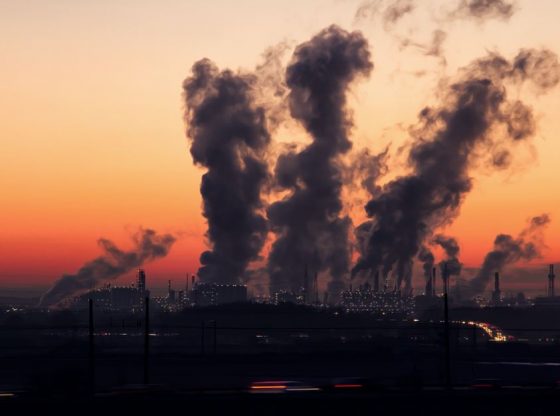
Global stimulus plans for economic recovery after the pandemic could easily cover climate-friendly policies, suggests new study.

During the peak phase of the corona pandemic, Chinese exports of critical medical goods such as protective masks went primarily to economic and political partners. Chinese companies were able to push through drastic price increases against industrialized countries.
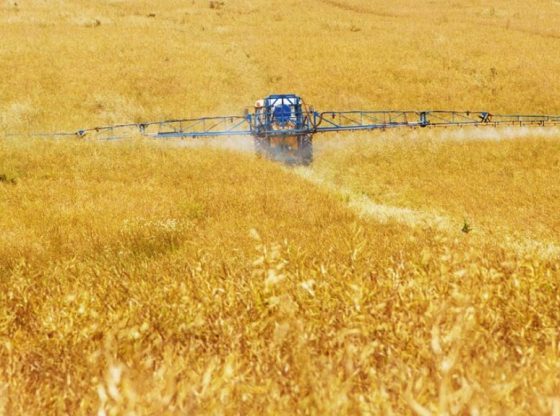
The growing use of nitrogen fertilizers in the production of food worldwide is increasing atmospheric concentrations of nitrous oxide – a greenhouse gas 300 times more potent than carbon dioxide that remains in the atmosphere for more than 100 years.

Chemists have developed a way to modify thermoset plastics with a chemical linker that makes it much easier to recycle them, but still allows them to retain their mechanical strength.
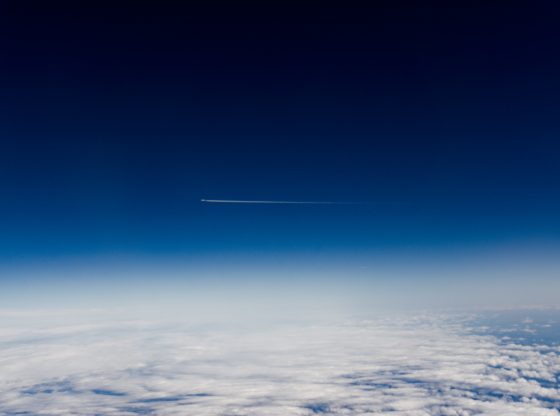
A new study finds that water vapor in the atmosphere may serve as a potential renewable energy source in the future.