
Coronavirus and cheap oil test climate vows
Climate change commitments by banks, pension funds and asset managers face their first major test as markets reel from the twin shocks of coronavirus and a sliding oil price.

Climate change commitments by banks, pension funds and asset managers face their first major test as markets reel from the twin shocks of coronavirus and a sliding oil price.

As a growing coronavirus pandemic shuts down conferences, transport, schools and sporting events worldwide, it is also nudging people toward new behaviours and technologies that may have lasting impacts on the emissions driving climate change.

The rapid pace of deforestation, urbanisation and road building are major factors in the spread of infectious diseases across Asia, including the coronavirus, health and environment experts said.

The European Commission said it will introduce new waste reduction targets and sustainability laws to ensure that products placed on the EU market are recyclable, repairable and designed to last longer, its latest plan to halve waste by 2030.

Large ecosystems such as the Amazon rainforest and coral reefs could collapse faster than scientists had previously assumed, according to a study.

Brazil’s federal environment agency last year gave out the fewest fines for breaking conservation laws since 1995, the agency’s press office said, as the efficacy of the agency, known as Ibama, continues to fall under President Jair Bolsonaro.
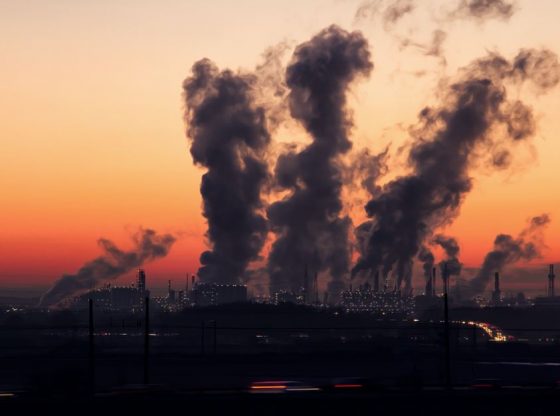
Global CO2 emissions from the power sector fell by 2% last year, the biggest fall since at least 1990, owing to reduced coal usage in Europe and the United States, a study showed.
The amount of planet-warming carbon dioxide that can be sucked up from the atmosphere and stored by tropical forests is falling as the global climate heats up, researchers said.

A drive to plant trees and conserve areas for wildlife is triggering conflicts over land in India, with poor villagers and indigenous people most at risk of losing their homes and livelihoods, researchers warned.

Two years into an ambitious growth plan to revive earnings at the largest U.S. oil company, Exxon Mobil Corp said it would stick to its plans to “lean in” to spending even as its shares have lagged those of competitors, which are cutting costs.