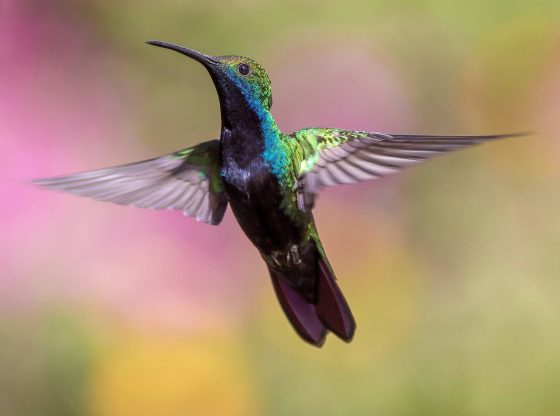
Wildlife (Pexels from Pixabay)

Climate change and wildlife: The limits to phenotypic plasticity

WNM | Jan 18, 2021 at 5:09 PM

To cope with environmental fluctuations, including climate change and global warming, animal species employ various adaptive strategies. Despite use of plastic physiological and behavioural responses, climate change is still likely to impact animal function.

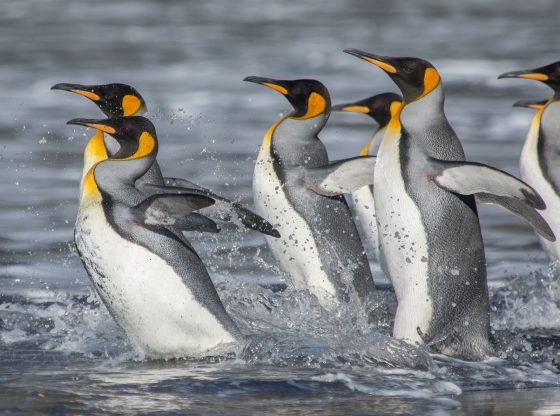
King penguins (Ryan R. Reisinger, CEBC)

The new face of the Antarctic – study

WNM | Jan 7, 2021 at 9:50 AM

In the future, the Antarctic could become a greener place and be colonised by new species. At the same time, some species will likely disappear.

World faces (Gerd Altmann from Pixabay)

World population likely to shrink after mid-century

WNM | Dec 14, 2020 at 8:06 AM

With widespread, sustained declines in fertility, the world population will likely peak in 2064 at around 9.7 billion, and then decline to about 8.8 billion by 2100 — about 2 billion lower than some previous estimates, according to a study.

Climate change exacerbates biodiversity loss

WNM | Dec 10, 2020 at 6:41 PM

According to analysis, global warming accelerates the loss of biodiversity. Vice versa, measures to protect biodiversity may also mitigate the impacts of climate change.

The global nitrous oxide budget for 2007–2016 (Modified from Tian et al. 2020)

Global food production poses an increasing climate threat

WNM | Dec 8, 2020 at 7:26 AM

The growing use of nitrogen fertilizers in the production of food worldwide is increasing concentrations of nitrous oxide in the atmosphere. The emissions are putting reaching climate goals in jeopardy.

Shuttering fossil fuel power plants may cost less than expected – study

WNM | Dec 7, 2020 at 10:52 AM

Decarbonizing US electricity production will require both construction of renewable energy sources and retirement of power plants now operated by fossil fuels. A model suggests that most fossil fuel power plants could complete normal lifespans and still close by 2035 because so many facilities are nearing the end of their operational lives.